Category: Economic Theory
-
Since 2022, the Central Bank of Russia has shifted from conventional inflation targeting to “constraint targeting,” a hybrid regime in which interest rates, capital controls and yuan-based foreign-exchange operations are used to defend the ruble and the external balance under sanctions.
-
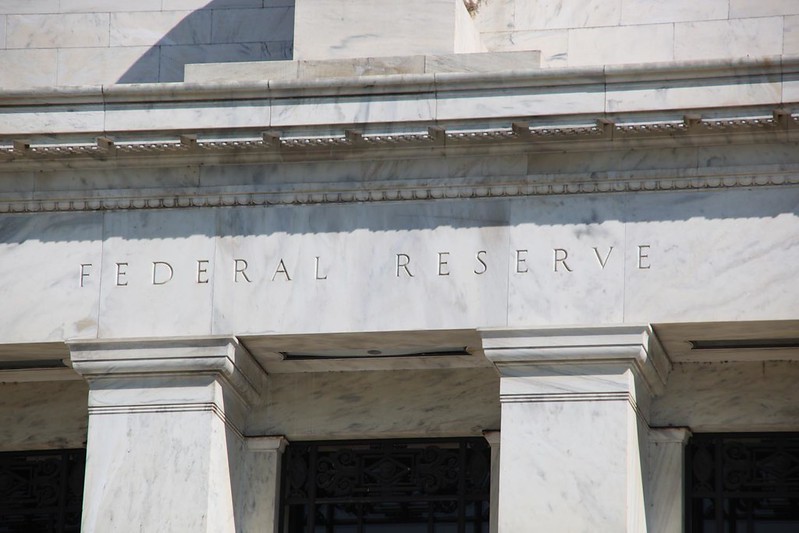
We have seen rapid expansion of the Federal Reserve’s balance sheet to combat the Covid-19 crisis, but since 2022, the Fed has shifted to quantitative tightening to normalize the economy. Now, three years later, we observe the successes of quantitative tightening along with incoming challenges that threaten a smooth landing. Image Source: Tim Evanson Written…
-
Nobel Prize winner Dr. Claudia Goldin’s research explains the increasing propensity of American women to enter the workforce.
-
The Randomista movement radically transformed how economic research is broached and public welfare policies are conceived through the incorporation of randomized control trials.
-
The amount of power women hold in the American economy.
-
In the past two decades, institutional investment in private equity funds has skyrocketed…
-
In the decades following the Second World War, the international economy was flooded by a wave of new players…
-
How personal liberty is connected to economic freedom and why there are exceptions.
-
How current economic conditions prevent inflation from being a serious issue in the near future
-
How dual interest rates can give central banks an unlimited capacity to combat recessions when the policy rate runs out of steam.
-
In an introductory macroeconomics class, students are taught this sequence of events: as the central bank prints more currency, money supply increases, interest rates decrease, spending increases, and aggregate demand increases which raises prices…
-
In most economics courses, students are taught models that are built in dynamic stochastic form…