Category: World
-
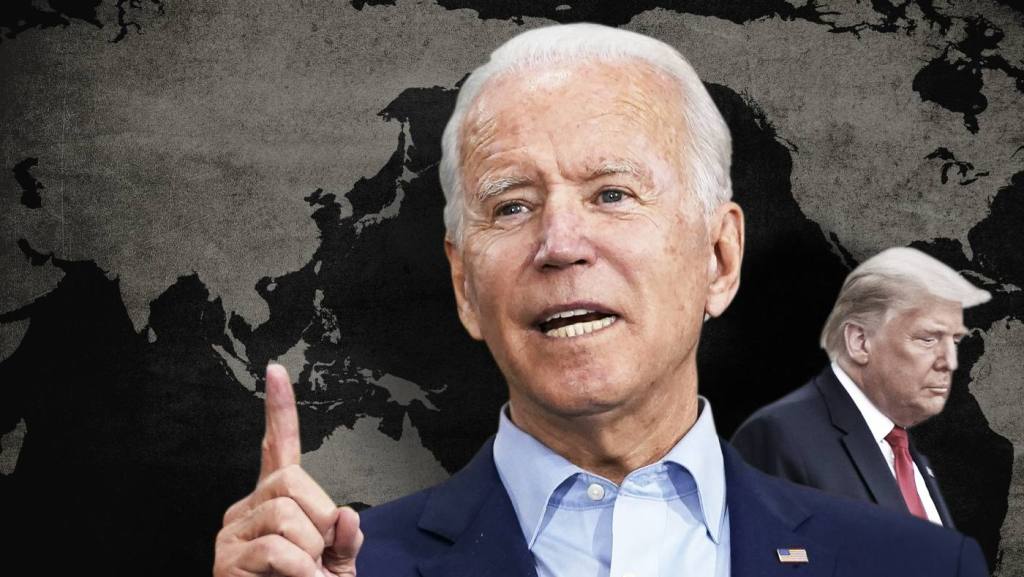
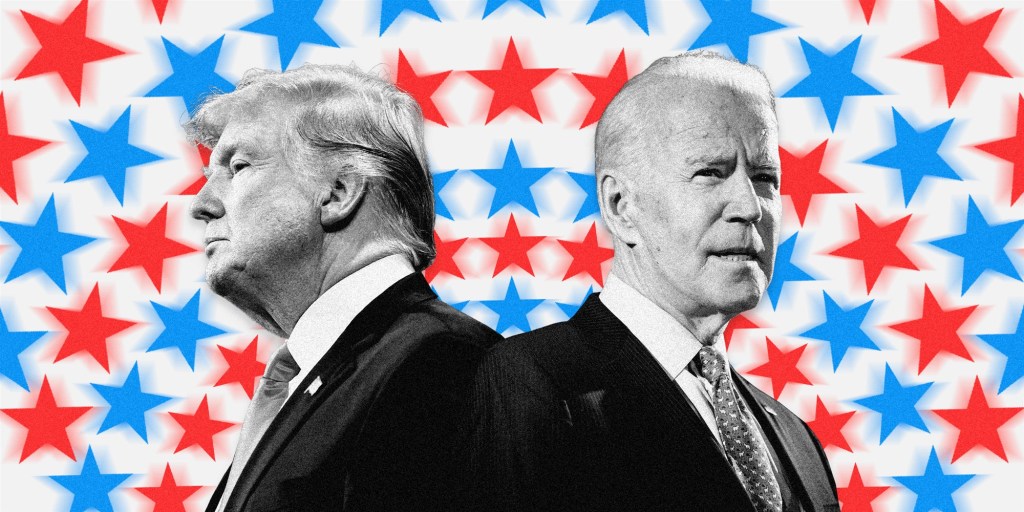
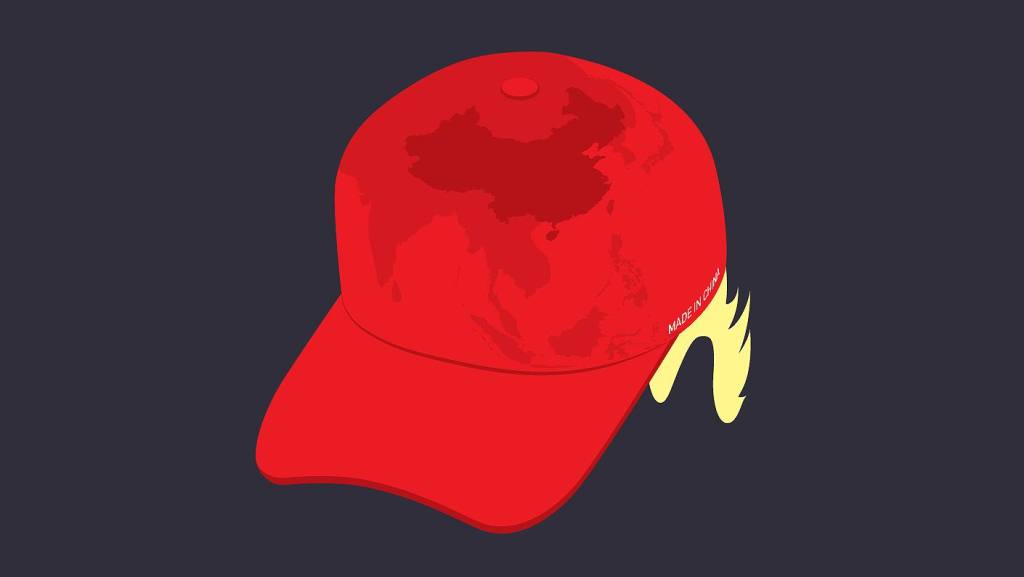
Trump and Biden share in both their tough stance on China and a desire to please the markets. Yet going forward, Beijing’s boost in foreign access to its capital markets may mean that the President, regardless of the election, will find these two goals incompatible.
-
Slowing population growth has plagued high income countries like Japan, South Korea, and the United Kingdom. How will it affect the United States?
-
One of the most free-market economies in the world has started experimenting with a Universal Basic Income system. Here’s how it has fared.
-
How did a nation squarely on the Greenwich Meridian end up sharing time with Germany? And should it switch back? Spanish lawmakers must reckon with conflicting economic and political cues to answer these pressing questions.
-
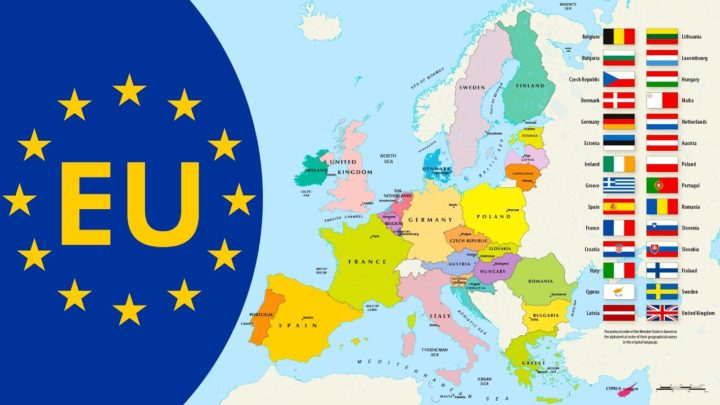
Has the EU created a golden egg in terms of economic benefits for its member states? Or is it a gilded egg that is slowly falling apart?
-
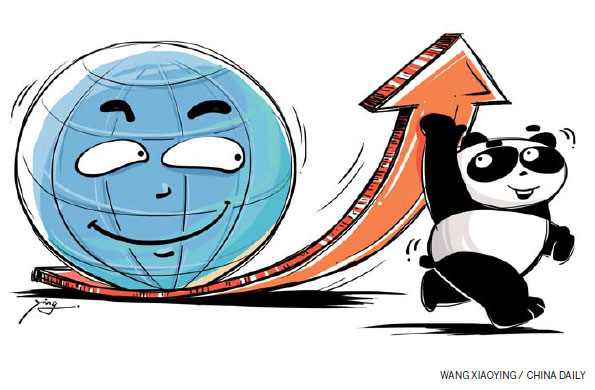
Chinese economic output is expected to reach pre-COVID levels this quarter, well ahead of other major global economies. The recovery so far has been led by production and trade, but domestic consumption is starting to catch up. This supports my constructive view of Chinese assets
-
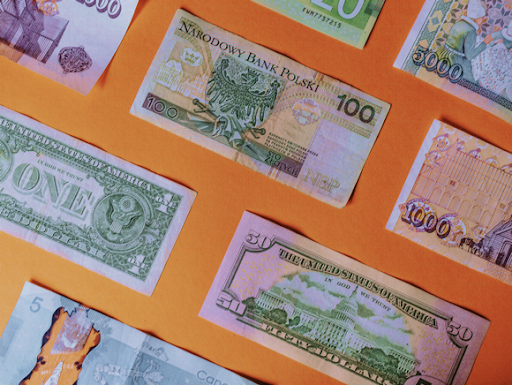
While the dollar’s hold on global financial markets remains to be challenged, anti-dollar sentiment has all but disappeared as the Fed’s actions have heavily reinforced the dollar’s ethos in the wake of the pandemic…
-
As we’ve witnessed over the last four years, the White House holds considerable sway over foreign economic and trade policies, making this election particularly consequential for markets in Asia. Three areas that will likely be impacted the most are trade, supply chains, and tech.
-
Is the carbon emission market actually decreasing emissions? How are Europe, China, and the US leveraging the cap and trade system?
-
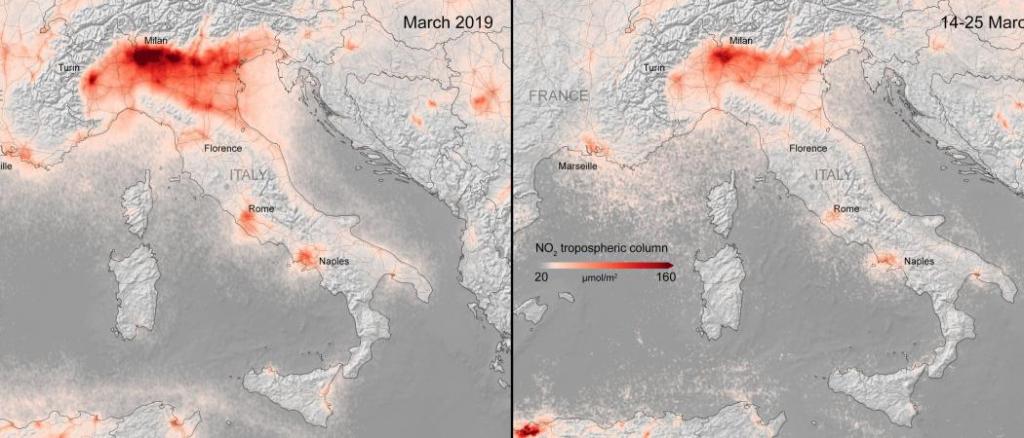
Cataclysmic economic changes could point towards a hopeful outlook in combating climate change.
-
How the unrest in Belarus may prove to be Putin’s golden ticket to European control.
-
How is Japan swimming in debt, but still able to stay afloat? Is their smooth sailing coming to an end?