Author: theeconreview
-
In 2025, American telecommunications consumers live in a paradox. They rely on their mobile and broadband connections more than ever, yet two of the country’s dominant telecom giants with over 50% of the market share — AT&T and Verizon — offer a choice that increasingly feels like no choice at all.

-
The United States has moved from preaching the virtues of free capital toward actively screening what capital comes in and what capital goes out. This shift may be justified by genuine security risks, but it also introduces legal uncertainty, raises the cost of innovation, and stretches emergency authorities far beyond their original purpose. The article…
-
As AI assistants replace traditional search, visibility on the internet is no longer won by appearing high in search results, but by being cited. This shift is quietly rewriting the economics of attention, advertising and trust online.

-
They ride our trains and drive down our roads. They can help pay for them too.

-
Since 2022, the Central Bank of Russia has shifted from conventional inflation targeting to “constraint targeting,” a hybrid regime in which interest rates, capital controls and yuan-based foreign-exchange operations are used to defend the ruble and the external balance under sanctions.

-
China has recently become the world’s largest film market, not by exporting movies, but by controlling access to its massive domestic audience. This piece explores how protectionist policies, quotas and censorship are reshaping Hollywood’s creative and economic strategies, revealing a new paradigm in global cultural economics.

-
The U.S. has altered trade history when President Trump has raised tariffs on nearly all of its trading partners. Now, as the most powerful nations of the world are turning away, how should civilian life react, and who will be left most vulnerable to retaliation? Image Source By: Sofiia Krazhan Edited by: Eric Chen The…

-
We have seen rapid expansion of the Federal Reserve’s balance sheet to combat the Covid-19 crisis, but since 2022, the Fed has shifted to quantitative tightening to normalize the economy. Now, three years later, we observe the successes of quantitative tightening along with incoming challenges that threaten a smooth landing. Image Source: Tim Evanson Written…
-
Image Source By Jola Sonowo Edited By Zane Govindraj How much longer can you handle someone telling you to buy Bitcoin because this is the cheapest it will ever be? Given the election results, you’ll likely hear this phrase much more often—and they may be right. Whether you are a cryptocurrency enthusiast or know nothing…
-
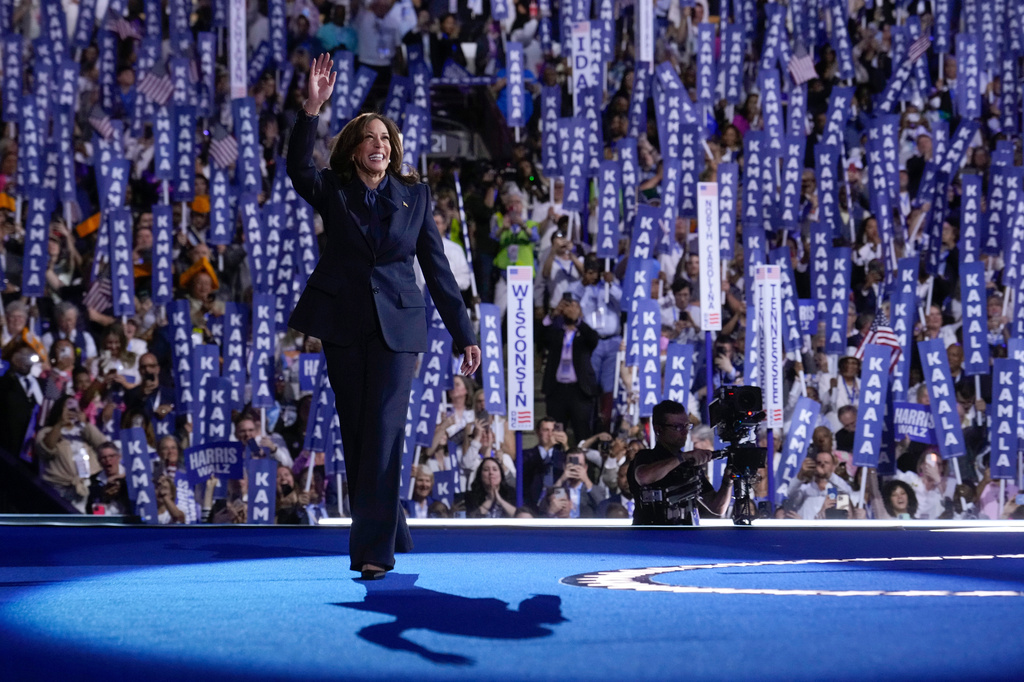
(AP Photo/Jacquelyn Martin) A key factor behind Trump’s return to the White House is voters’ belief that Trump would be a better steward of the U.S. economy than Harris – despite economic theory suggesting otherwise. Why, then, did Trump win on economic grounds? Economic populism. Going forward, the Democrats need to recognize that sound policy…
-
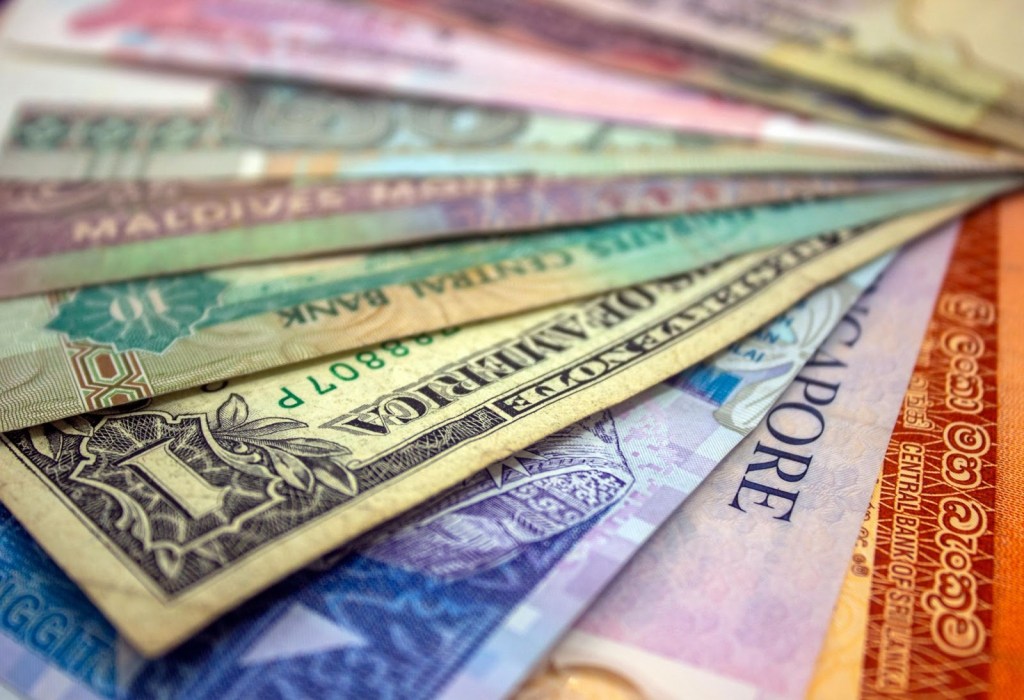
Karthikeyan Perumal China has a history of implementing high levels of a monetary policy known as sterilization to manage its increasing foreign exchange reserves and crawling peg exchange rate. How do these policies work and how have they evolved over the years? In the face of new macroeconomic developments, what changes are necessary? Written by…
-
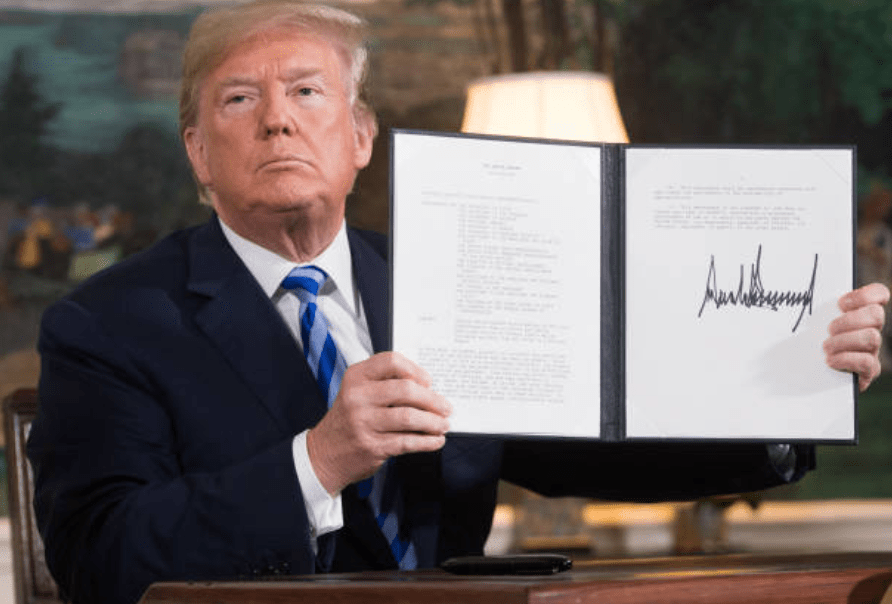
US-IRAN-NUCLEAR-DIPLOMACY – US President Donald Trump signs a document reinstating sanctions against Iran after announcing the US withdrawal from the Iran Nuclear deal, in the Diplomatic Reception Room at the White House in Washington, DC, on May 8, 2018. Image Source By Arya Nadella Edited By Paola Martin Few nations embody the economic impact of…


 The Economics Review